The Psychology of Big Wave Surfing
Introduction
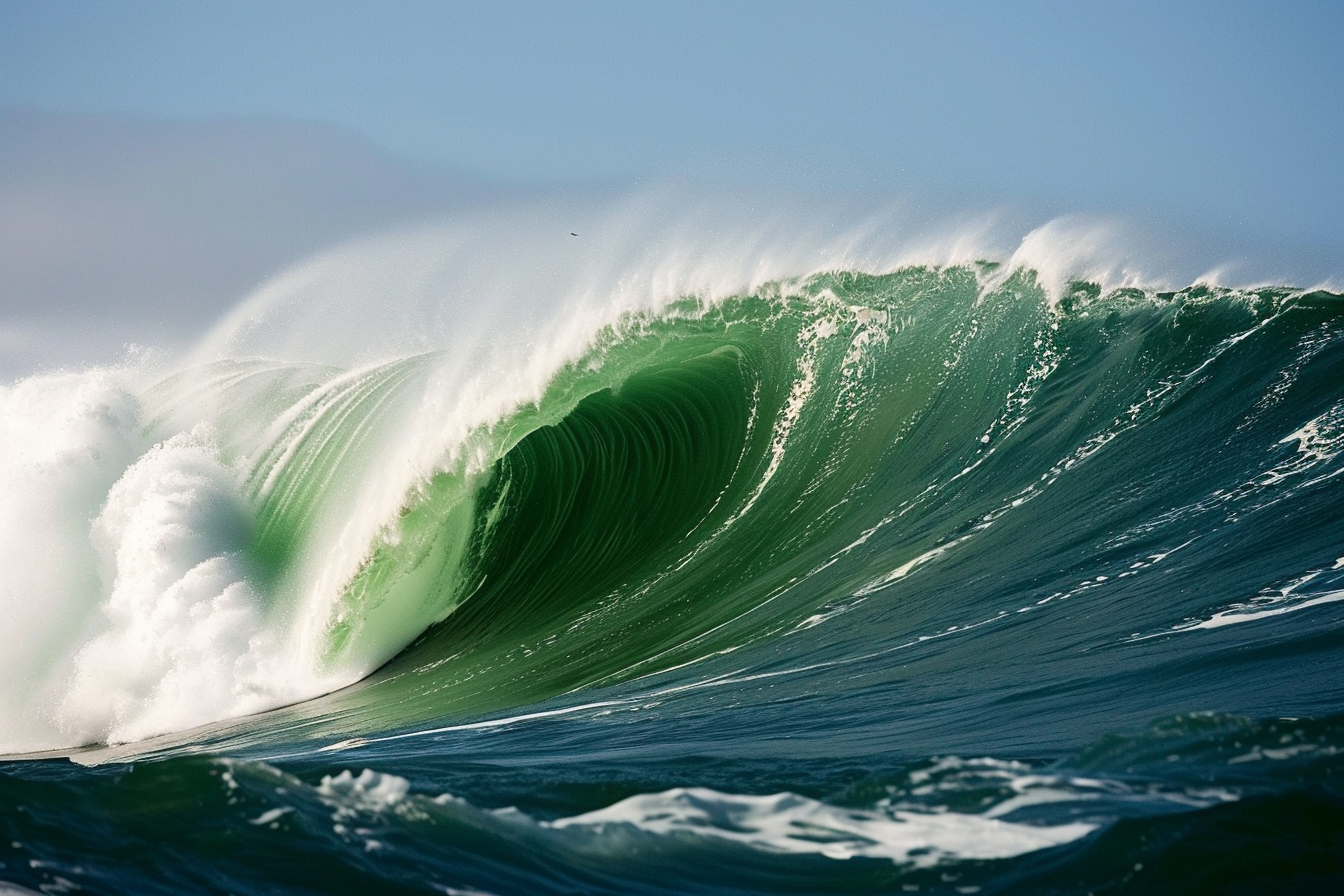
Big wave surfing stands as one of the most awe-inspiring and perilous pursuits within the realm of action sports, captivating onlookers and participants alike with its blend of raw power and sublime beauty. It is an endeavor that pushes the boundaries of human courage, skill, and resilience, as surfers confront the might of the ocean’s giants. The allure of big wave surfing lies not just in the physical challenge it presents but in the profound psychological journey it demands from those who dare to ride these towering walls of water. This exploration into the heart of big wave surfing seeks to unravel the mental fortitude required to face and harness the energy of waves that can tower over 50 feet high, revealing what compels surfers to engage with such formidable forces of nature.
The history of big wave surfing is punctuated with legendary figures and defining moments that have shaped its evolution and underscored its significance in the surfing world. From the pioneering exploits of Duke Kahanamoku, who introduced surfing to the broader world, to the daring achievements of Eddie Aikau, whose bravery in the face of monstrous Hawaiian surf became the stuff of legend, the legacy of big wave surfing is built upon the stories of those who have sought communion with the ocean at its most ferocious. The development of tow-in surfing by Laird Hamilton and his peers in the 1990s opened new horizons, allowing surfers to tackle waves once deemed unsurfable and setting the stage for a new era of exploration and achievement.
This rich tapestry of history and heroism provides the backdrop for our journey into the psychological dimensions of big wave surfing. By examining the mental processes that enable surfers to confront fear, make split-second decisions, and push the limits of human potential, we gain insight into the essence of this extreme sport. It is a testament to the enduring human spirit, a celebration of the surfers who ride at the edge of possibility, and a reflection on the lessons that big wave surfing offers to all who seek to overcome their personal boundaries and fears.
The Lure of the Big Waves
The magnetic pull of big wave surfing is rooted in a unique confluence of adrenaline, personal ambition, and a profound bond with the natural world. It attracts those who seek not just to ride waves, but to immerse themselves in one of the most challenging and rewarding experiences the ocean has to offer. This section delves into the core motivations that drive surfers towards these towering behemoths of the sea.
The Thrill of the Challenge
At the heart of big wave surfing lies the exhilarating challenge it presents. Each wave is a dynamic, unpredictable force, offering a ride that demands utmost skill, focus, and courage. For many surfers, the allure of big waves is in this complex interplay of danger and opportunity—a test of their abilities against the power of nature. Conquering a big wave provides an unmatched sense of achievement, a momentary triumph over the formidable forces of the sea that resonates deeply with the human spirit’s quest for adventure and conquest.
The Pursuit of Personal Limits
Big wave surfing serves as a mirror, reflecting back the limits of one’s courage, physical ability, and mental resilience. Surfers are drawn to these extreme conditions as a means of self-discovery and personal growth. Each session is a question asked by the ocean: “How far can you go? How much can you endure?” In seeking the answers, surfers embark on a journey of self-improvement, pushing their boundaries further with every ride. This pursuit of personal limits is a driving force behind the dedication and passion that big wave surfers exhibit, compelling them to return to the water time and again.
A Deep Connection with the Ocean
Beyond the adrenaline and the challenge, big wave surfing is fundamentally about forming a deep, intuitive connection with the ocean. It is a dance with the raw elements, where success depends as much on an understanding of the sea’s rhythms and moods as it does on physical prowess. This connection is spiritual for many, offering a sense of belonging and harmony with the natural world that is increasingly rare in modern life. The ocean, with its vastness and mystery, becomes a place of meditation and reflection, where surfers can find solace, inspiration, and a profound sense of awe.
The lure of big waves, therefore, transcends the physical act of surfing. It encapsulates a quest for challenge, a journey towards self-discovery, and a deep reverence for the ocean. This trinity of motivations draws surfers into the heart of big wave surfing, where each ride is a narrative of human endeavor, a testament to the courage to confront the formidable, and a celebration of the indelible bond between humanity and the sea.
Understanding Fear and Respect
In the realm of big wave surfing, fear serves as both a guardian and a barrier. It is an innate response to the formidable power of the ocean, a reminder of the risks inherent in dancing with giants. Yet, the way surfers engage with fear—distinguishing between the fear that protects and the fear that paralyzes—is pivotal in their journey to becoming adept at navigating the colossal waves they pursue.
The Dual Nature of Fear
Fear, in its protective guise, is an essential survival tool. It heightens a surfer’s senses, sharpens focus, and fosters a cautious approach to wave selection and execution. This type of fear prompts a surfer to meticulously prepare, both physically and mentally, for the challenges ahead. It encourages respect for the ocean’s might and an acknowledgment of the real dangers posed by big waves, such as powerful currents, shallow reefs, and the sheer force of water.
Conversely, fear can also paralyze, casting a shadow of doubt that undermines confidence and hampers performance. This paralyzing fear stems from focusing solely on potential negative outcomes—wiping out, getting held underwater, or suffering an injury—without channeling the emotion into constructive preparation or risk mitigation. It is this kind of fear that surfers must learn to manage and overcome, transforming it into a driving force that propels them toward greater achievements.
Cultivating Respect for the Ocean
Integral to mastering fear is cultivating a deep respect for the ocean and its complexities. Respect is born from understanding—the more surfers know about the ocean’s behavior, the better equipped they are to engage with it safely and effectively. This includes:
Respecting the Ocean’s Power: Acknowledging the ocean’s immense force and unpredictability encourages a humble approach, where caution and preparedness are prioritized over reckless bravado.
Understanding Weather Patterns: A comprehensive grasp of weather systems, swell generation, and how these elements interact to create surfable waves allows surfers to make informed decisions about when and where to paddle out.
Recognizing One’s Own Limits: An honest assessment of one’s abilities and limits is crucial in big wave surfing. By understanding their physical and psychological thresholds, surfers can choose waves that challenge yet remain within their realm of competence, gradually expanding their comfort zone.
The dance with fear and the cultivation of respect are intertwined aspects of big wave surfing that go beyond mere thrill-seeking. They encapsulate a surfer’s journey toward self-awareness, resilience, and a harmonious relationship with the natural world. By navigating the delicate balance between fear and respect, surfers unlock the potential to not only conquer massive waves but also to discover their true capabilities and forge a deeper connection with the ocean’s ever-changing moods.
Mental Preparation and Mindset
Big wave surfing is as much a mental endeavor as it is a physical one. The towering waves demand not only extraordinary physical prowess but also a mindset sculpted by rigorous psychological preparation. This section explores the essential aspects of mental conditioning that enable surfers to face the formidable challenges of big wave surfing, featuring insights from renowned surfers who have mastered the mental game.
Psychological Preparation for Big Wave Surfing
Visualization Techniques: One of the most powerful tools in a surfer’s mental preparation arsenal is visualization. Surfers often spend time before a session picturing themselves successfully navigating the massive waves, from the initial drop to the final maneuver. This mental rehearsal not only prepares them for the task at hand but also instills a sense of confidence and calm when faced with the real thing. Visualization helps in anticipating challenges and mentally strategizing responses, thereby reducing the fear of the unknown.
Stress Management: Managing stress and anxiety is crucial in big wave surfing, where the stakes are high, and the margin for error is slim. Techniques such as deep breathing, meditation, and mindfulness can help surfers maintain a calm demeanor in the face of adrenaline-pumping conditions. By learning to control their physiological responses to stress, surfers can keep their minds clear, make better decisions, and stay focused on their performance.
Building a Resilient Mindset: Resilience is the backbone of a big wave surfer’s psyche. It’s about bouncing back from setbacks, be it a wipeout or a missed opportunity, and having the determination to paddle back out. A resilient mindset is cultivated through experience, reflection, and a positive attitude towards failure as a learning opportunity. It involves embracing discomfort, pushing beyond personal limits, and viewing each wave as a chance to grow.
Insights from Renowned Big Wave Surfers
To provide a deeper understanding of mental preparation, insights from celebrated big wave surfers shed light on their personal routines and philosophies:
Kelly Slater, often regarded as the greatest surfer of all time, emphasizes the importance of staying present and focused, treating each wave as its unique challenge. His approach to mental preparation involves a mix of physical readiness and mindfulness practices that help him stay centered amidst the chaos of big wave surfing.
Laird Hamilton, a pioneer in the realm of big wave surfing, advocates for a holistic approach to preparation, where mental, physical, and spiritual health are intertwined. Hamilton’s routine includes visualization, breathwork, and yoga, emphasizing the need for balance and inner strength.
Maya Gabeira, a record-breaking big wave surfer, speaks to the power of resilience and self-belief. After surviving a near-fatal wipeout, her journey back to surfing the world’s biggest waves involved rigorous mental and physical rehabilitation, underscoring the importance of perseverance and a positive mindset in overcoming fear and doubt.
These insights underscore that the foundation of big wave surfing lies not just in physical skills but in a surfer’s ability to mentally prepare for and engage with the ocean’s formidable power. By adopting visualization techniques, managing stress, and cultivating resilience, surfers equip themselves to navigate the monumental challenges of big wave surfing, transforming fear into a catalyst for growth and achievement.
Physical Preparation and Safety Measures
Big wave surfing places immense physical demands on surfers, requiring not just exceptional surfing skills but also a high level of overall fitness, strength, and endurance. The sheer size and power of big waves necessitate a rigorous training regimen to prepare the body for the challenges it will face in the water. Moreover, the inherent risks of tackling such formidable waves demand that surfers adhere to stringent safety measures to protect themselves and others.
Physical Demands and Training
The act of paddling into, catching, and riding big waves requires a blend of cardiovascular endurance, muscular strength, agility, and flexibility. Surfers must have the stamina to paddle out to the lineup, the speed to catch fast-moving swells, and the power to maneuver their boards on the wave face. Additionally, the ability to hold one’s breath and remain calm under pressure is crucial for coping with hold-downs and wipeouts.
To meet these demands, big wave surfers engage in comprehensive training programs that include:
Cardiovascular Training: Activities like swimming, running, and cycling improve endurance, enabling surfers to paddle effectively and handle long sessions in the water.
Strength Training: Weightlifting and bodyweight exercises focus on building the core, upper body, and leg strength essential for powerful paddling, pop-ups, and turns.
Flexibility and Agility: Yoga and dynamic stretching enhance flexibility, helping surfers maintain agility on the board and reduce the risk of injury.
Breath-Hold Training: Techniques to increase breath-holding capacity prepare surfers for the possibility of being held underwater by a wave.
Safety Measures
Given the risks associated with big wave surfing, adhering to safety protocols is paramount. Key safety measures include:
Personal Flotation Devices (PFDs): Many big wave surfers wear specially designed PFDs that can be manually inflated to help them resurface after a wipeout. These devices are streamlined to not hinder performance while offering critical buoyancy when needed.
Jet Ski Support: Jet skis play a vital role in big wave surfing, used for both towing surfers into waves too fast to paddle into and performing rescues in dangerous situations. Skilled drivers can quickly retrieve surfers from hazardous areas, reducing the risk of drowning or impact with obstacles.
Spotters: Having team members or friends acting as spotters from the shore or a boat provides an extra layer of safety. Spotters can keep track of surfers’ positions, monitor conditions, and call for help if a surfer is in trouble.
Communication and Emergency Plans: Surfers and their support teams should have clear communication methods and pre-established emergency plans, including knowledge of the nearest medical facilities capable of treating surfing-related injuries.
Physical preparation and adherence to safety measures form the backbone of big wave surfing, ensuring that surfers not only have the capability to ride these colossal waves but also the support and resources to do so safely. By maintaining peak physical condition and prioritizing safety, surfers can tackle the challenges of big wave surfing with confidence and respect for the ocean’s power.

Still image: a typical Waimea takeoff
The Role of Community and Support
The big wave surfing community, though diverse and spread across the globe, is united by a shared reverence for the ocean’s might and a mutual understanding of the risks and rewards inherent in their pursuit. This sense of camaraderie and collective respect forms the foundation of a tightly-knit community where support, encouragement, and mentorship are as crucial as any physical training or equipment.
The Power of Community
In big wave surfing, the community plays a vital role in bolstering individual confidence and ensuring the safety of all its members. The inherently dangerous nature of riding massive waves means that surfers rely on each other for more than just companionship; they look to their peers for guidance, assistance, and sometimes rescue. The presence of fellow surfers in the lineup or on the shore provides a safety net, creating an environment where individuals can push their limits with the knowledge that help is close at hand should they need it.
This support system extends beyond physical presence in the water. The big wave surfing community is a forum for sharing knowledge about weather patterns, surf conditions, and safety techniques. Seasoned surfers often provide insights on navigating specific breaks, understanding the impact of tides and swells, and coping with the psychological pressures of facing towering waves.
The Role of Mentorship
Mentorship is a cornerstone of the big wave surfing world, offering a bridge between generations of surfers and fostering the transfer of invaluable wisdom and experience. Newcomers to the sport often look up to seasoned veterans, who share not only technical skills and strategies but also lessons in humility, resilience, and respect for the ocean.
Mentors guide their protégés in mental preparation, helping them to develop the psychological fortitude necessary to confront the fears and challenges unique to big wave surfing. Through discussions, shared sessions, and debriefings after rides, mentors help build the mental toughness and emotional stability that are as critical to success as physical strength and surfing technique.
Moreover, mentors emphasize the importance of safety, instilling practices such as rigorous checklists before entering the water, understanding rescue protocols, and recognizing when conditions are beyond one’s skill level. They teach by example, demonstrating how to balance ambition with caution and how to make informed decisions based on years of experience.
The community and the mentor-mentee relationships within big wave surfing are testament to the sport’s deeply rooted culture of mutual support and collective growth. In a realm where the stakes are exceptionally high, the bonds formed between surfers transcend competition, embodying a spirit of unity and shared passion that is rare and precious. It is within this community that surfers find the strength to chase their dreams, confront their fears, and, ultimately, ride the giants of the sea with confidence and grace.
Confronting and Overcoming Fear
In the heart-pounding world of big wave surfing, fear is a constant companion. It lurks in the anticipation of a swell, the paddle out, and the moment before taking the plunge down the face of a towering wave. Yet, it is in the confrontation and mastery of this fear that surfers experience profound growth, both in their surfing and in their personal lives. Strategies for managing fear, coupled with personal anecdotes from those who’ve faced and overcome it, shed light on the transformative power of confronting one’s fears head-on.
Strategies for Managing Fear
Preparation and Training: Surfers often find that fear loses its edge in the face of thorough preparation. Physical conditioning, breath-hold training, and practicing wipeout scenarios can instill confidence, providing a sense of control in the unpredictable ocean environment.
Mental Rehearsal: Visualization techniques, where surfers mentally rehearse successful wave rides and emergency responses, help in familiarizing the mind with high-stress situations, reducing anxiety and improving performance.
Focus on the Present: Learning to anchor oneself in the present moment, focusing on breathing and the immediate task at hand, can help surfers manage fear by preventing it from spiraling into panic. This mindfulness approach encourages a calm, measured response to the challenges posed by big waves.
Incremental Exposure: Gradually exposing oneself to larger waves and more challenging conditions allows surfers to acclimate to the fear associated with big wave surfing. This step-by-step approach builds confidence and competence in a controlled manner.
Personal Anecdotes
Laird Hamilton’s Perspective: Renowned for riding some of the world’s biggest waves, Laird Hamilton speaks of fear as a motivator, driving him to prepare meticulously for each challenge. He emphasizes the importance of respect for the ocean and the role of fear in maintaining that respect, ensuring safety and humility in the water.
Maya Gabeira’s Comeback: After a near-fatal wipeout at Nazaré, Maya Gabeira’s journey back to big wave surfing is a testament to confronting fear. Her experience underscores the psychological resilience required to overcome trauma, highlighting her rigorous physical and mental rehabilitation and the unyielding determination to return to the sport she loves.
Psychological Benefits of Confronting Fear
Confronting fear in big wave surfing offers surfers more than just the thrill of the ride; it fosters heightened self-awareness and promotes personal growth. The process of facing one’s fears head-on, particularly in an environment as demanding as the ocean, cultivates qualities like courage, resilience, and perseverance.
Surfers learn about their limits, their strengths, and their capacity to endure and overcome adversity. This self-knowledge extends beyond surfing, influencing other areas of life where fear and challenges arise. The confidence gained from conquering fear on massive waves empowers individuals to tackle obstacles with a sense of assurance and capability.
The act of confronting and overcoming fear in big wave surfing is a deeply personal and transformative experience. It is through this journey that surfers not only refine their skills on the water but also forge a stronger, more resilient version of themselves, capable of facing the uncertainties of life with courage and poise.
The Aftermath: Reflecting on the Ride
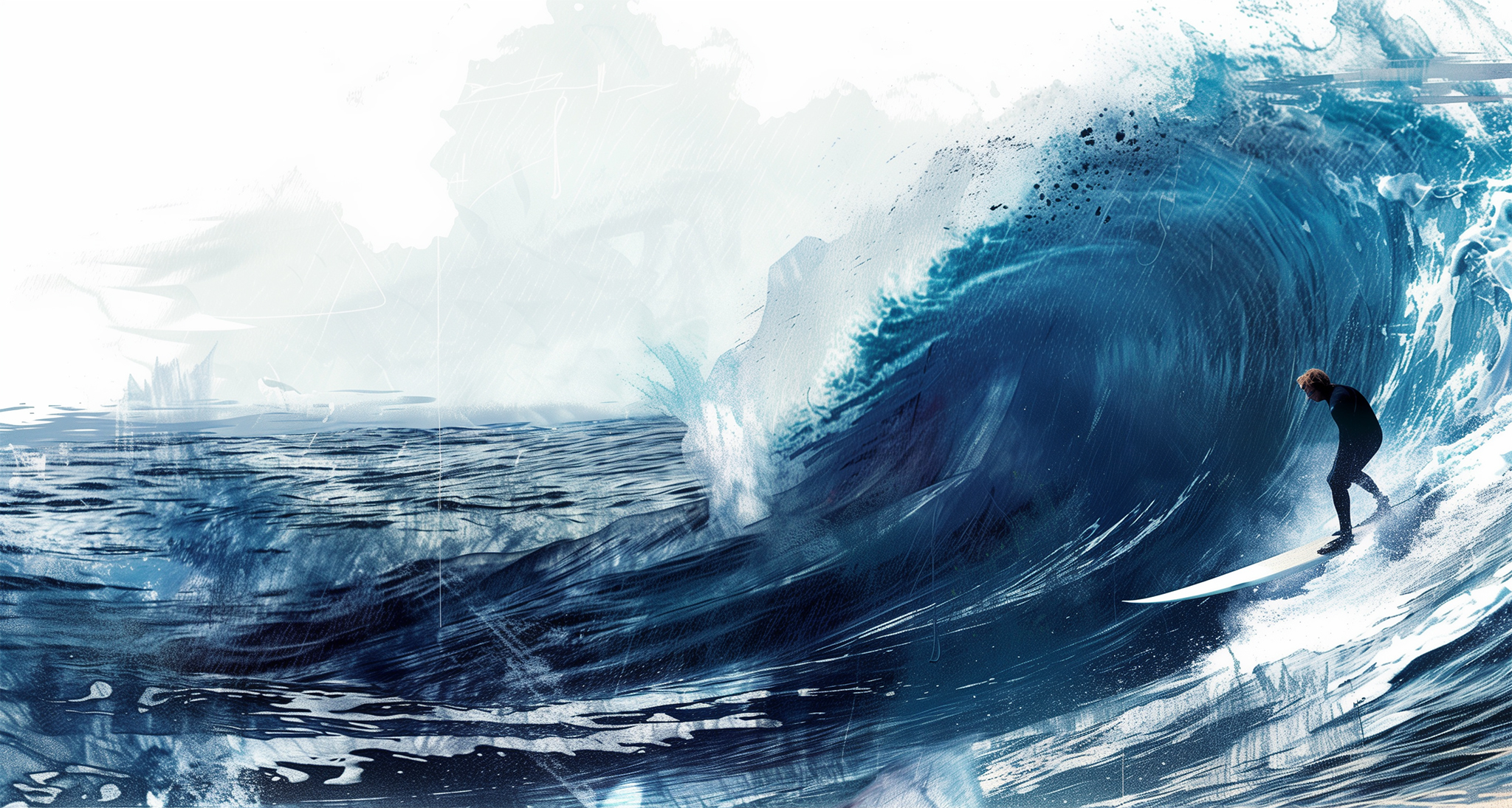
The moments following a big wave ride are often filled with a complex tapestry of emotions and reflections that underscore the journey’s psychological impact. Whether triumphant atop a colossal wave or humbled by the ocean’s might in a wipeout, surfers navigate a profound process of introspection and growth, marking each ride as a pivotal point in their surfing odyssey.
The Psychological Impact of Riding a Big Wave
Sense of Accomplishment: Successfully riding a big wave brings an unparalleled sense of achievement. This feeling stems not only from the physical feat but from overcoming the mental barriers that once stood in the way. For many surfers, this accomplishment reinforces self-belief, boosting confidence in their abilities and in facing life’s other challenges.
Post-Ride Analysis: After the adrenaline fades, surfers often engage in a detailed analysis of their ride. This reflective process involves scrutinizing decisions made on the wave, movements that worked in their favor, or errors that might have been avoided. It’s an opportunity for learning and fine-tuning techniques, turning each ride into a lesson that contributes to their evolution as surfers.
Hunger for More: The experience of riding a big wave often ignites a hunger for more—more challenges, bigger waves, and further exploration of one’s limits. This insatiable appetite drives the continuous pursuit of growth, pushing surfers to seek new horizons in their quest for the ultimate ride.
Dealing with Wipeouts and Setbacks
Resilience in the Face of Adversity: Wipeouts and setbacks are inherent aspects of big wave surfing. How surfers respond to these moments is crucial. Embracing resilience, they view each setback not as a defeat but as an integral part of the learning curve. This mindset allows them to bounce back with greater determination, armed with lessons learned from the experience.
The Learning Process: Analyzing wipeouts and setbacks is a critical component of a surfer’s development. By understanding what went wrong, whether it was a misjudgment of the wave, a technical error, or a lapse in focus, surfers can adapt their strategies and improve their performance. This process fosters a mindset of continuous improvement, where each challenge is an opportunity for growth.
Emotional Recovery: Beyond the physical toll, significant wipeouts can impact a surfer’s confidence and mental state. Addressing this emotional aftermath involves acknowledging the fear and disappointment, sharing experiences with fellow surfers for support, and gradually rebuilding confidence through incremental challenges.
The aftermath of riding—or attempting to ride—a big wave is a period of intense emotional and psychological growth. It’s a time when surfers confront their fears, reassess their abilities, and set new goals. This cycle of reflection, learning, and renewed ambition underscores the transformative power of big wave surfing, revealing its capacity to shape individuals who are not only adept at navigating the ocean’s might but are also equipped with resilience, humility, and a lifelong commitment to personal growth.
Pushing the Boundaries of Big Wave Surfing
The frontier of big wave surfing is constantly evolving, driven by relentless innovation and a deep-seated desire among surfers to venture into uncharted waters. Technological advancements in forecasting, equipment, and safety mechanisms have expanded the realm of the surfable, challenging preconceived notions of limits and opening new avenues for exploration.
Technological Advancements and Forecasting
Precision Forecasting: The advent of sophisticated weather modeling and global swell tracking systems has revolutionized surf forecasting, allowing surfers to predict big wave events with unprecedented accuracy. This precision enables surfers to be at the right place at the right time, fully prepared to tackle the giants that await.
Equipment Innovation: Developments in surfboard design and materials have significantly contributed to the advancement of big wave surfing. Boards are now lighter, stronger, and specifically tailored to handle the unique demands of massive waves, offering surfers enhanced performance and maneuverability. Additionally, innovations such as inflatable vests have improved safety, giving surfers an added layer of protection against the formidable power of the ocean.
Safety Mechanisms: The integration of jet ski assists for both towing into waves and rapid rescue operations has been a game-changer in mitigating the risks associated with big wave surfing. Coupled with advancements in communication devices and emergency response strategies, these tools have made it possible to push further into the realms of extreme surfing with a safety net that was previously unimaginable.
The Future of Big Wave Surfing
As we peer into the future of big wave surfing, it’s evident that the sport will continue to shatter boundaries, both geographically and psychologically. Surfers will venture to remote corners of the globe in search of the next great challenge, riding waves that today’s generation can barely imagine.
Exploration of New Frontiers: With the world’s most notorious big wave spots already on the map, future generations will seek out new, undiscovered breaks. This exploration will require not only physical prowess but an adventurous spirit and resilience in the face of the unknown.
Psychological Traits for Future Surfers: The next generation of big wave surfers will need to cultivate a complex array of psychological traits to thrive in this evolving landscape. Resilience, adaptability, and an unwavering commitment to preparation will be paramount. These surfers will also need to balance audacity with humility, embracing innovation while respecting the unpredictable nature of the ocean.
The Role of Community and Collaboration: As the challenges grow, so too will the importance of a supportive community and collaborative efforts to ensure safety and share knowledge. The spirit of camaraderie and collective progress will continue to be a cornerstone of big wave surfing, fostering an environment where surfers uplift each other in the pursuit of their passion.
The future of big wave surfing is a horizon teeming with potential, marked by the convergence of human ambition and technological advancement. As we push the boundaries of what’s considered surfable, the essence of big wave surfing remains a testament to the indomitable human spirit — a relentless quest for growth, exploration, and harmony with the mighty forces of nature.
Conclusion
The journey into the heart of big wave surfing is much more than a pursuit of adrenaline; it’s a profound psychological voyage that tests the limits of human courage, resilience, and humility. Through this exploration, we’ve uncovered the intricate dance between fear and respect, the meticulous preparation and mental fortitude required to face the ocean’s giants, and the unwavering support of a community that binds surfers in their quest for greatness.
Big wave surfers navigate a path defined by the constant interplay of confronting fear, overcoming setbacks, and pushing the boundaries of what is deemed possible. Their journey is one of continuous growth, where each wave presents an opportunity to learn more about themselves and the formidable nature of the sea. The psychological traits honed in the process—resilience, mindfulness, and the ability to remain calm under pressure—are invaluable, shaping surfers into individuals who approach life’s challenges with grace and determination.
This narrative of big wave surfing transcends the sport, offering profound lessons for anyone facing their own personal fears and obstacles. The strategies surfers use to prepare mentally and physically, the importance of community support, and the courage to push beyond comfort zones are universally applicable. They remind us that the essence of overcoming challenges lies not in the absence of fear but in the capacity to face it head-on, to learn from every experience, and to emerge stronger on the other side.
As you reflect on the stories and insights shared, consider how the lessons from big wave surfing can inspire you in your own life. Whether it’s tackling a daunting project, making a significant life change, or facing a deep-seated fear, the principles of preparation, resilience, and community support can guide your path. Like the big wave surfers who gaze out at the horizon, ready to ride the next monster swell, you too can harness the courage to confront the waves in your life, riding them with confidence and emerging empowered and renewed.
Big wave surfing teaches us that beyond the fear, beyond the immense challenge, lies the potential for extraordinary achievement and personal growth. Let the journey of these surfers inspire you to embrace your challenges with the same bravery and spirit, pushing the limits of what you thought possible and discovering the strength that resides within.
Call to Action
The odyssey of big wave surfing, with its highs and lows, its triumphs and setbacks, serves as a powerful metaphor for the human experience. As we’ve delved into the psychological journey of confronting and riding the literal and figurative waves of our lives, it’s clear that the essence of courage, resilience, and growth transcends the boundaries of surfing.
Now, we turn the spotlight to you, our readers. We invite you to share your thoughts on the psychology of facing fears. How do the stories of big wave surfers inspire you? Do you see parallels in your own life where confronting fear has led to profound personal growth? Whether it’s in the pursuit of a passion, the challenges of daily life, or the quest for self-improvement, we all have our waves to ride.
Moreover, we encourage you to share your own stories of personal challenges you’ve overcome or aspire to tackle. Have you faced a moment that tested your limits, where you had to summon all your courage and resilience? Or perhaps you’re currently staring down a challenge, gathering the strength to take it on. Your stories are a testament to the indomitable human spirit, and by sharing them, we can inspire and uplift one another.
Engage with us through personal narratives submitted to our site. Your experiences, whether they’re related to surfing the ocean’s waves or navigating the tumultuous waters of life, are valuable lessons in courage, perseverance, and the power of community support.
Let’s foster a dialogue that celebrates our collective journey of facing fears and pushing beyond boundaries. Together, we can create a wave of inspiration, encouraging each other to embrace challenges with open hearts and minds, and to ride the waves of life with confidence and grace. Your story could be the beacon that guides someone else through their storm. Share your journey, and let’s navigate the vast ocean of human experience together.