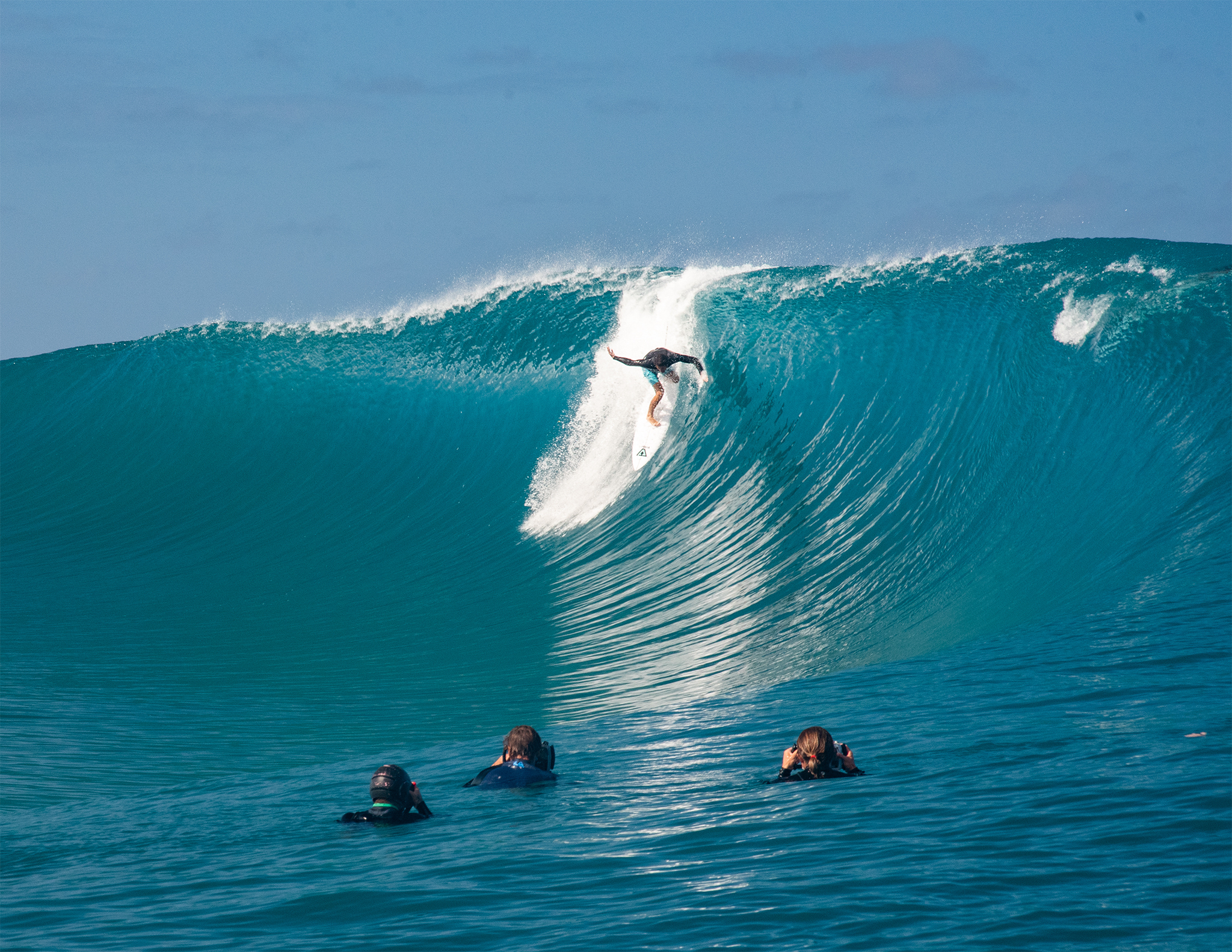
Mastering the Art of Surf Photography
Introduction
Surf photography stands as a mesmerizing intersection of art and adventure, capturing the dynamic interplay between surfer and sea. It’s a genre that not only documents thrilling moments of athleticism and the ocean’s raw power but also conveys the profound beauty and transient moods of the marine environment. Through the lens of surf photography, viewers are transported to the heart of the action, witnessing the fleeting instants where human and nature coalesce in perfect harmony. This art form requires not just technical prowess but a deep understanding of the ocean’s temperament, making it a challenging yet rewarding pursuit.
The allure of surf photography lies in its ability to freeze time, encapsulating the essence of surfing’s freedom, danger, and exhilaration in a single frame. Each photograph tells a story, from the anticipation of a rising swell to the graceful dance of a surfer navigating a towering wave. These images serve as a testament to the surf culture and its intimate connection with the natural world, inspiring both awe and respect for the ocean’s majesty.
Recognizing the unique blend of passion, skill, and environmental attunement required in this field, our article aims to guide aspiring surf photographers on their journey to mastering this captivating genre. We’ll delve into the essentials of surf photography, from choosing the right equipment and understanding the surfing environment to composing impactful images and honing your timing. Whether you’re just beginning to explore the world of surf photography or looking to refine your skills, this article is designed to provide valuable insights and tips to help you excel. Join us as we navigate the waves of creativity and technical expertise, empowering you to capture the ocean’s majesty through your lens.
The Essence of Surf Photography
Surf photography is a genre that stands in a league of its own, marked by the unique interplay of athleticism, nature’s unpredictability, and the artistry of capturing the perfect moment. This fusion of elements makes surf photography both exceptionally challenging and profoundly rewarding. It requires a photographer to not only master the technical aspects of photography but also to develop a deep understanding of the ocean and the sport of surfing itself.
What Makes Surf Photography Unique and Challenging
The essence of surf photography lies in its ability to convey the power and beauty of the ocean alongside the finesse of the surfer interacting with this formidable force. Unlike other sports or nature photography, where the environment might be more controlled or predictable, surf photography demands adaptability and resilience. The photographer must contend with changing light conditions, water movement, and the unpredictability of waves, all while capturing subjects that are in constant motion.
Moreover, the environment in which surf photographers work adds another layer of complexity. Shooting can take place from the shore, the water, or even aerial perspectives, each offering its challenges and requiring different techniques and equipment. Photographers must also be vigilant of their surroundings, ensuring their safety and that of the surfers and others around them. This dynamic setting demands a high degree of technical skill, physical endurance, and environmental awareness, making surf photography a thrilling pursuit.
Understanding Surfing and Photographic Techniques
To truly capture the essence of a moment in surf photography, one must have an intimate knowledge of surfing techniques and the behavior of the ocean. Understanding the timing of a wave, the movement of the surfer, and anticipating what will happen next is crucial for capturing compelling images. This requires not just an observer’s eye but the insight of someone who understands the sport deeply, perhaps even a surfer themselves. Knowledge of surfing allows photographers to predict the surfer’s actions, choose the best positioning, and capture the peak action or emotion of the scene.
Similarly, mastering photographic techniques specific to this genre is vital. This includes knowing which camera settings to use in varying light conditions, how to compose shots with movement and speed in mind, and when to capture the decisive moment that defines surf photography. Balancing these elements, along with an artistic vision, enables photographers to create images that resonate with the energy, drama, and beauty of surfing.
The essence of surf photography, therefore, lies not just in the technical act of taking pictures but in weaving together an understanding of surfing, an appreciation for the ocean, and photographic expertise. It’s about capturing more than just a surfer on a wave; it’s about encapsulating the soul of surfing, the majesty of the ocean, and the fleeting moments of harmony between human and nature.o their specific needs.
Equipment Essentials
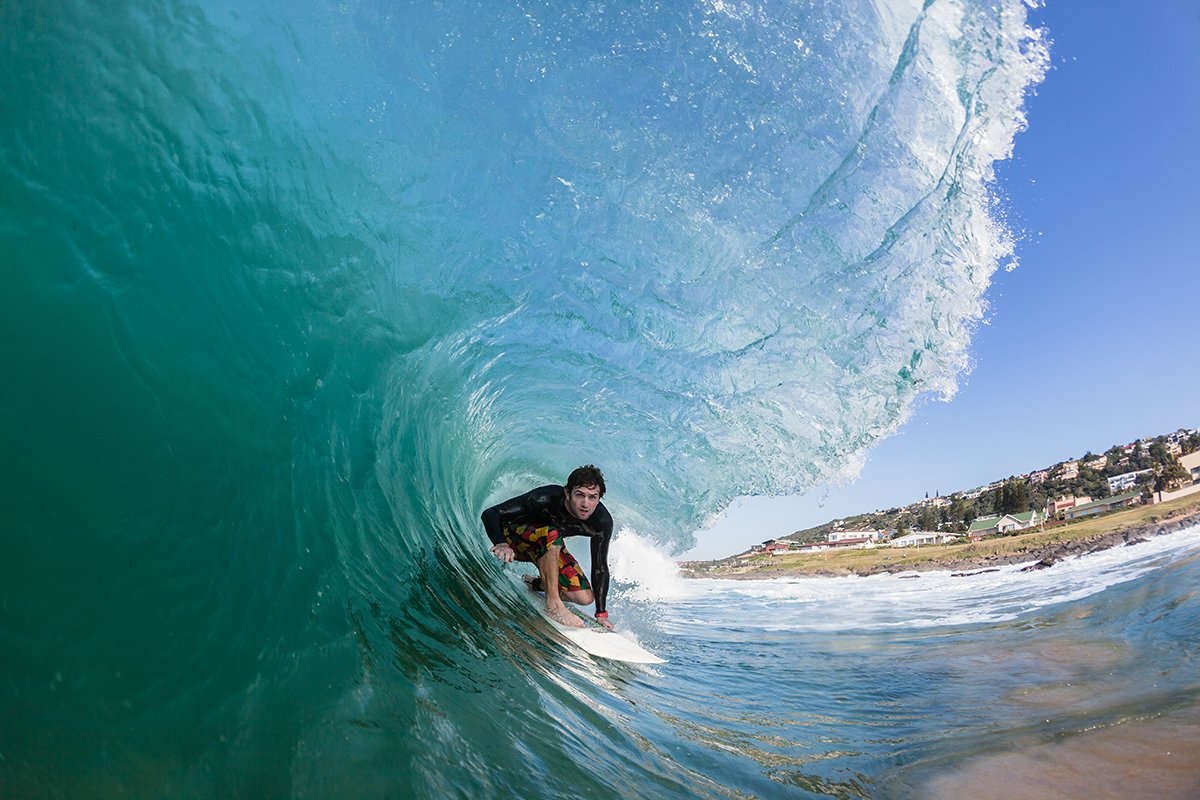
Embarking on the journey of surf photography requires not just skill and passion but also the right equipment. The nature of surf photography demands gear that can withstand the elements while providing the versatility needed to capture the fast-paced action and the vast, sometimes unpredictable, oceanic landscape. Here’s a breakdown of the essential photography gear for surf photography, along with recommendations for beginners and options for professionals.
Essential Photography Gear for Surf Photography
Camera Bodies: A durable, high-quality camera body is the cornerstone of your surf photography gear. For those shooting from the shore or the water, a camera with fast autofocus, high frame rate, and good low-light performance is crucial. Weather-sealing is a bonus for protection against the elements. Mirrorless cameras have become popular for their compact size and high performance, but DSLRs remain a favored choice for their robustness and battery life.
Lenses: The choice of lenses is pivotal in surf photography. A versatile zoom lens (e.g., 70-200mm) is invaluable for shooting from the beach, allowing you to capture close-up action shots and wider scenes. For water photography, prime lenses with wide apertures (e.g., 24mm f/1.8) offer sharpness and a good balance between field of view and portability. Consider your shooting location and style when selecting lenses.
Water Housings: For photographers venturing into the water, a reliable water housing is non-negotiable. It should provide complete waterproof protection while allowing easy access to camera controls. Housings are specific to camera models, so ensure compatibility. For those just starting, look for housings with a good balance between functionality and affordability. Professionals might opt for custom-built housings tailored to their specific needs.
Recommendations for Starting Equipment for Beginners
Camera Body: Beginners should look for a camera that offers a blend of performance and ease of use. Entry-level DSLRs or mirrorless cameras by reputable brands are a great starting point, providing the necessary features to learn and grow in surf photography without overwhelming the user.
Lenses: Start with a versatile zoom lens that covers a broad focal range, such as an 18-200mm. This allows for flexibility in shooting different types of surf photography scenes without the need for frequent lens changes.
Water Housing: Entry-level water housings designed for popular camera models are available and provide sufficient protection for initial ventures into water photography. Ensure the housing allows for easy control of basic camera functions.
Options for Professionals
Camera Body: Professionals should invest in high-end camera bodies that offer superior image quality, durability, and performance in fast-action and low-light conditions. Models with advanced autofocus systems and high frame rates are preferred.
Lenses: A selection of high-quality lenses, including fast prime lenses and professional-grade zoom lenses, allows for creative flexibility and sharp, detailed images. Professionals often have a kit that includes both water and shore photography lenses.
Water Housings: Professional surf photographers might opt for custom or high-end water housings that offer advanced features, such as pistol grips for easier shooting in the water and port options for different lenses.
Equipping yourself with the right gear is the first step in capturing the magic of surf photography. Whether you’re just starting out or are a seasoned professional, choosing equipment that aligns with your goals, budget, and the specific challenges of surf photography is key to successfully capturing the ocean’s majesty.
Understanding the Surfing Environment
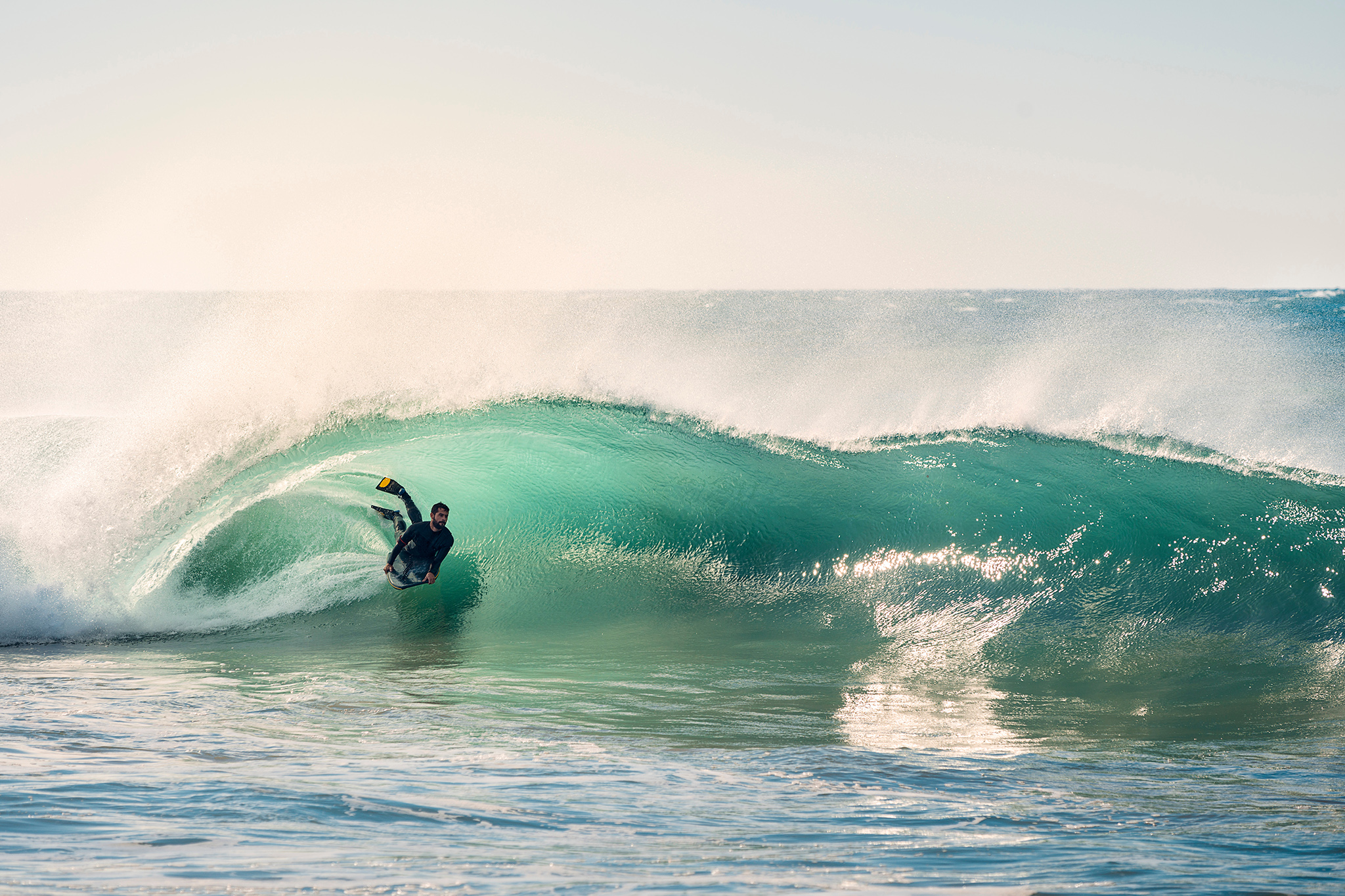
Mastering surf photography demands more than technical skill and the right equipment; it requires a profound understanding of the surfing environment. The ocean is a dynamic and sometimes unpredictable studio, where elements such as light, wave types, and surfer behavior converge to create the scene. Being attuned to these factors not only enhances the quality of your photos but also ensures your safety and that of the surfers you’re capturing.
Tips for Understanding Surf Conditions
Study the Light: Natural light is a pivotal element in photography, and its role in surf photography cannot be overstated. The golden hours—shortly after sunrise or before sunset—offer soft, warm light that can dramatically enhance your images. Midday light, while harsher, brings out the vivid blues of the sea but requires careful exposure management. Understanding how to use light to your advantage will significantly impact the mood and quality of your photos.
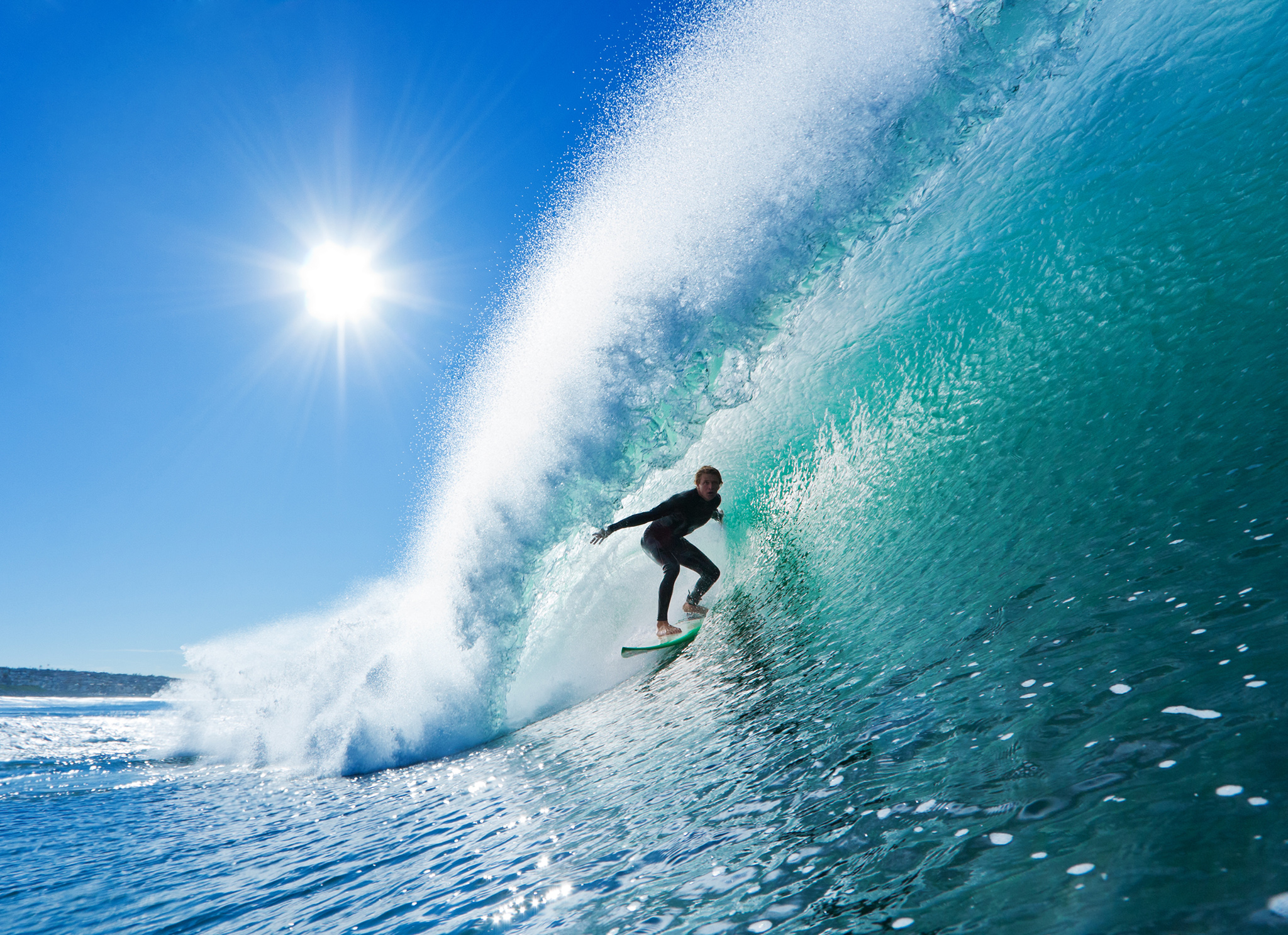
Learn About Wave Types: Different wave types—from powerful barrels to gentle rollers—offer varied opportunities for surf photography. Familiarize yourself with the spots you plan to shoot and the kinds of waves they produce. This knowledge will help you anticipate the action and position yourself effectively, whether you’re aiming for dramatic shots of surfers in tubes or capturing the grace of longboarders on softer waves.
Observe Surfer Behavior: Each surfer interacts with the wave in a unique way, influenced by their style, experience, and the type of board they’re using. Watching how surfers position themselves, when they choose to take off, and their maneuvers on the wave will help you predict key moments to capture. This anticipation is crucial for timing your shots to catch the peak action.
Importance of Environmental Awareness and Safety
Stay Informed about Conditions: Before heading out, check the surf forecast, tides, and weather conditions. Knowledge of the day’s conditions helps you prepare for the shooting environment, from choosing the right lens to deciding on your shooting location. It’s also crucial for assessing safety, particularly if you plan to enter the water.
Prioritize Safety: Whether shooting from the water or the shore, always prioritize your safety and that of others. In the water, be vigilant of your surroundings, including incoming waves and surfers. On shore, be mindful of the tide and waves to avoid getting caught in dangerous situations. Always have an exit plan and know your limits.
Respect the Environment: As a surf photographer, you’re a guest in the ocean’s domain. Practice respect for the marine environment by avoiding disturbance to wildlife and being conscious of your impact on the ecosystem. Leave no trace behind, and where possible, contribute to the preservation of the beaches and oceans that serve as your canvas.
Understanding the surfing environment is as integral to surf photography as the camera in your hands. It’s about blending technical knowledge with environmental intuition to not only capture stunning images but also honor and preserve the beauty of the surfing world. By becoming attuned to the nuances of light, waves, and surfer behavior, and prioritizing safety and respect for the environment, you’ll be well on your way to mastering the art of surf photography.
Composition and Perspective
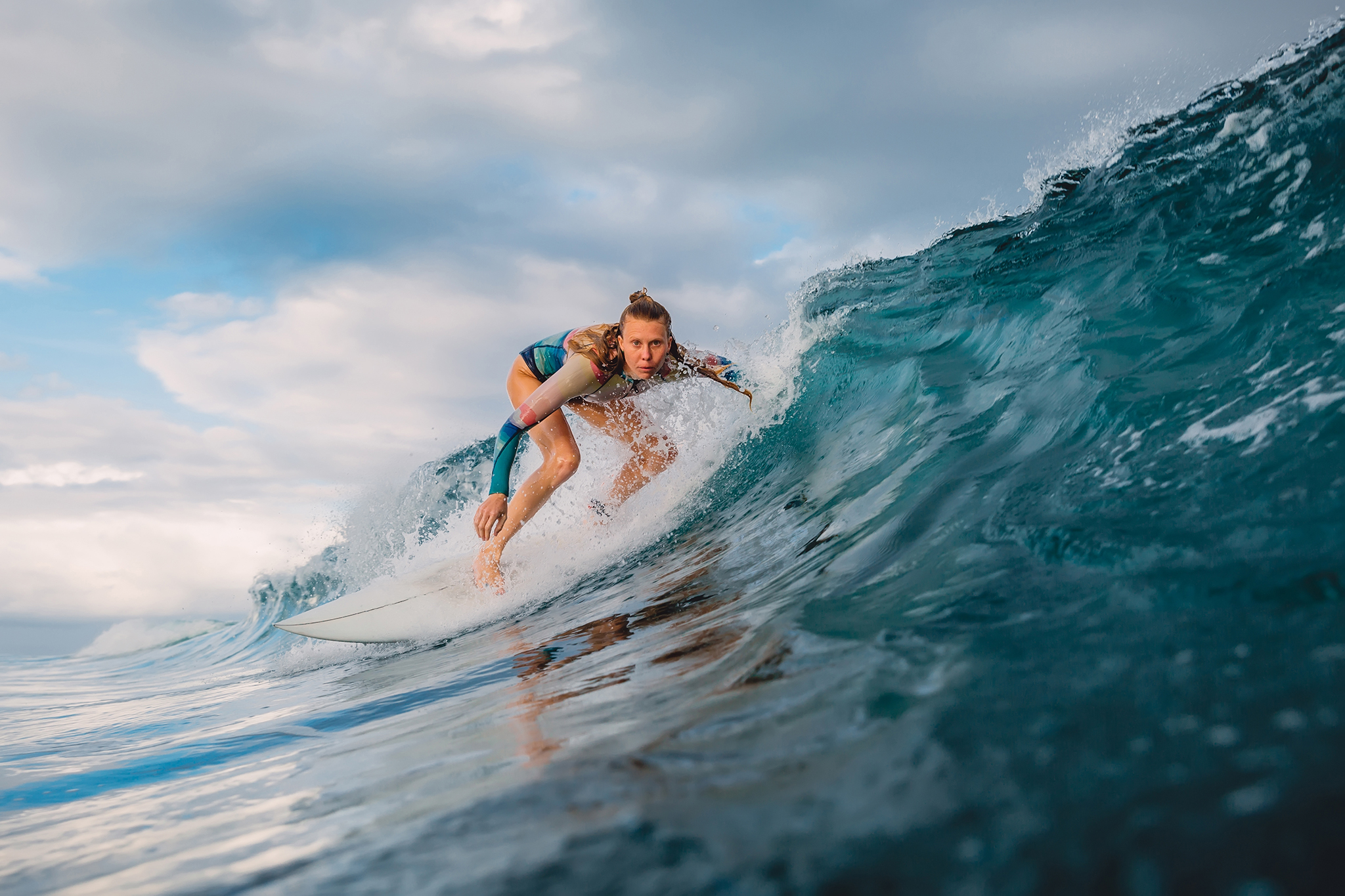
The allure of surf photography lies not only in the raw beauty of the ocean and the athleticism of the surfers but also in the way these elements are framed and captured. Composition and perspective play pivotal roles in transforming a simple shot into a compelling narrative of man versus nature. Mastering these aspects of photography allows you to convey the drama, tension, and exhilaration inherent in surfing.
Techniques for Composing Striking Surf Photographs
Framing: Consider how you frame your subject within the environment. Use the rule of thirds to position the surfer in a way that feels dynamic and balanced. Incorporating elements of the landscape, such as the curvature of a wave or the silhouette of the shoreline, can add depth and context to the action.
Perspective: Changing your perspective can dramatically alter the feel of a photograph. Shooting from a low angle, for example, can make a wave appear more imposing and the surfer’s feats more heroic. Conversely, an aerial perspective offers a god’s-eye view of the patterns and textures of the sea, providing a fresh take on the surf scene.
Capturing Action: The essence of surf photography is in capturing the action — the critical moment when all elements align. This requires anticipation and a keen sense of timing. Practice tracking the surfer as they maneuver on the wave, and be ready to capture split-second expressions and movements that convey the intensity of the moment.
The Role of Creativity and Experimentation
Creativity and experimentation are your allies in the quest for unique surf photographs. The ocean is a canvas that never remains the same, inviting you to play with new ideas and techniques.
Experiment with Light: Explore how different lighting conditions affect the mood and tone of your images. Backlit waves can create dramatic silhouettes, while direct sunlight can highlight the textures and colors of the sea and surfboard.
Seek Unique Angles: Don’t be afraid to experiment with unconventional angles. Try shooting from the water’s level for an immersive experience or find a vantage point that offers a novel perspective on familiar scenes.
Play with Motion: Experiment with different shutter speeds to either freeze the action or capture the motion blur of a surfer speeding down the line. These techniques can add a sense of movement and speed to your images.
Embrace the Environment: Use environmental elements, such as the spray from a wave or reflections on the water, to add layers and intrigue to your compositions. These details can elevate a photograph from a simple action shot to a story about the interaction between surfer and sea.
Creativity in surf photography is about seeing beyond the obvious, exploring the interplay between surfer, wave, and light from fresh perspectives. By embracing experimentation and pushing the boundaries of composition, you can capture images that not only document moments of athletic prowess but also express the deeper connection between humans and the oceanic world. Let your artistic vision guide you, and remember, the most striking surf photographs often come from a willingness to view the sea through a different lens.
Timing and Patience
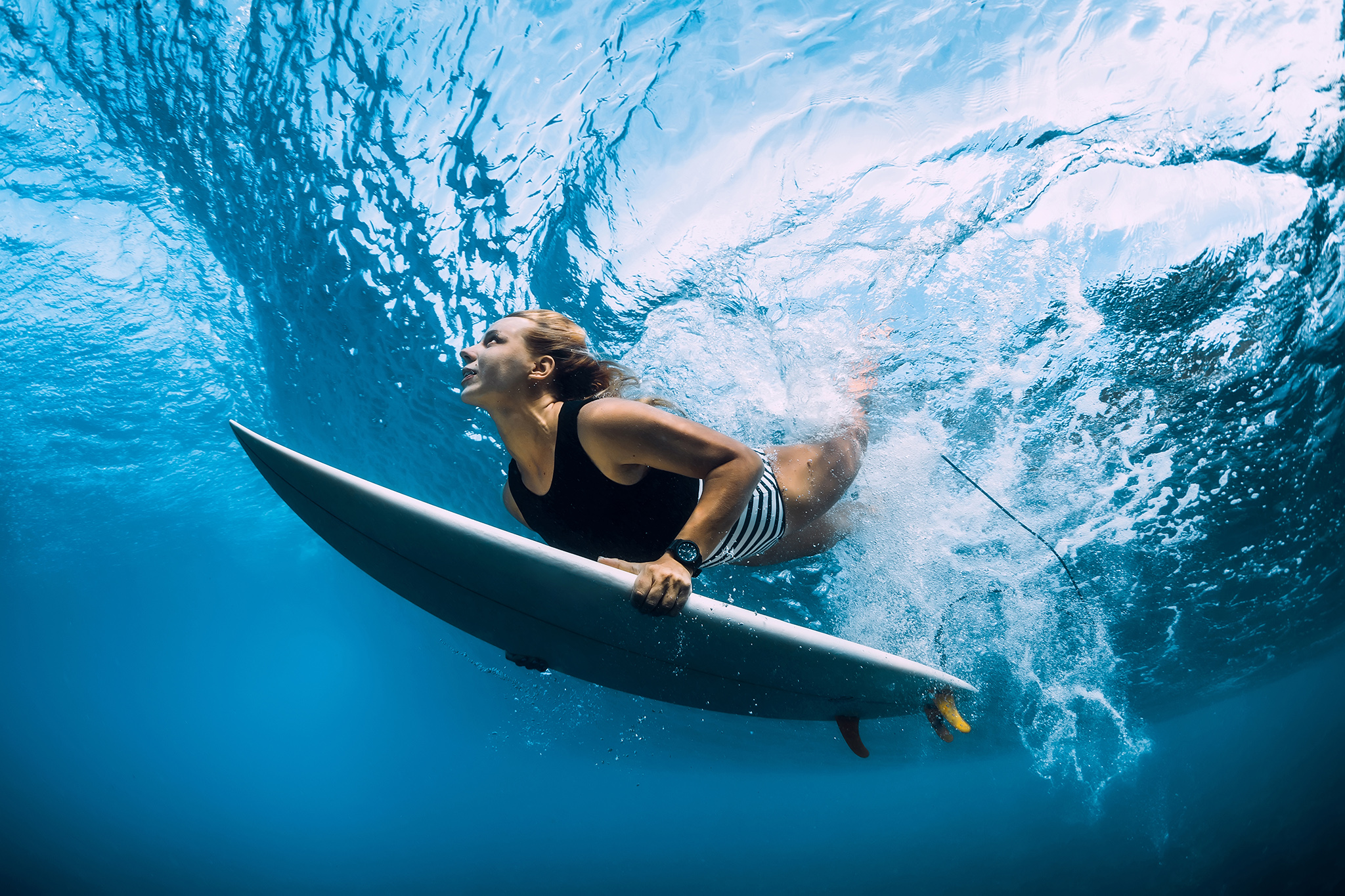
In the ever-changing seascape of surf photography, timing is everything. It’s the fine line between capturing an ordinary moment and immortalizing a breathtaking one. Surfing, with its rapid, dynamic action, offers fleeting opportunities to capture the essence of the sport. The ability to seize these split-second moments defines the art of surf photography, making timing and patience foundational to achieving compelling images.
The Critical Importance of Timing
Timing in surf photography isn’t just about pressing the shutter button at the right moment; it’s about understanding the rhythm of the sea and the movements of the surfer. It’s anticipating when a surfer will carve a critical turn, launch into the air, or glide gracefully along a clean wave face. These moments, often mere seconds in duration, are when the raw emotion, energy, and beauty of surfing are most palpable. Capturing such instances requires not only a keen eye but an intuitive feel for the sport’s tempo. It’s about synchronizing your photographic instincts with the ocean’s rhythm and the surfer’s flow.
Strategies for Developing Patience and Staying Ready
Observe and Anticipate: Spend time observing the waves and surfers without your camera. Notice patterns in wave sets and surfers’ behavior to anticipate action before it happens. This observation sharpens your instincts and informs your timing.
Practice Makes Perfect: Like any skill, timing improves with practice. Use every opportunity to shoot, learning from missed shots and celebrating the successes. Over time, you’ll develop a sense of when to anticipate peak action.
Stay Prepared: In surf photography, moments of high action are interspersed with periods of waiting. Keep your camera ready and settings dialed in for the conditions you’re shooting in. Being prepared means you can react quickly when the action unfolds.
Embrace the Wait: Patience is a virtue, especially in surf photography. Use the quieter moments to reflect on your technique, plan your next shot, or simply enjoy the beauty of the surroundings. Patience also means accepting that not every session will yield spectacular images. Sometimes, the sea is the best teacher of humility and persistence.
Positioning Is Key: Your position, whether on the shore, in the water, or elsewhere, can greatly affect your ability to capture timely shots. Position yourself strategically based on the day’s conditions and the surfers’ tendencies, always with safety in mind.
Learn to Let Go: Understand that despite your best efforts, some moments will slip by uncaptured. Rather than dwelling on missed opportunities, focus on staying present and ready for the next wave of action.
Timing and patience in surf photography are as much about capturing images as they are about connecting deeply with the sport and its environment. It’s a dance with the unpredictable nature of the sea, a test of readiness and resilience. By developing these qualities, you not only stand a better chance of capturing the ocean’s majesty and the essence of surfing but also embody the spirit of exploration and discovery that defines the best in surf photography.
Lighting and Weather Conditions
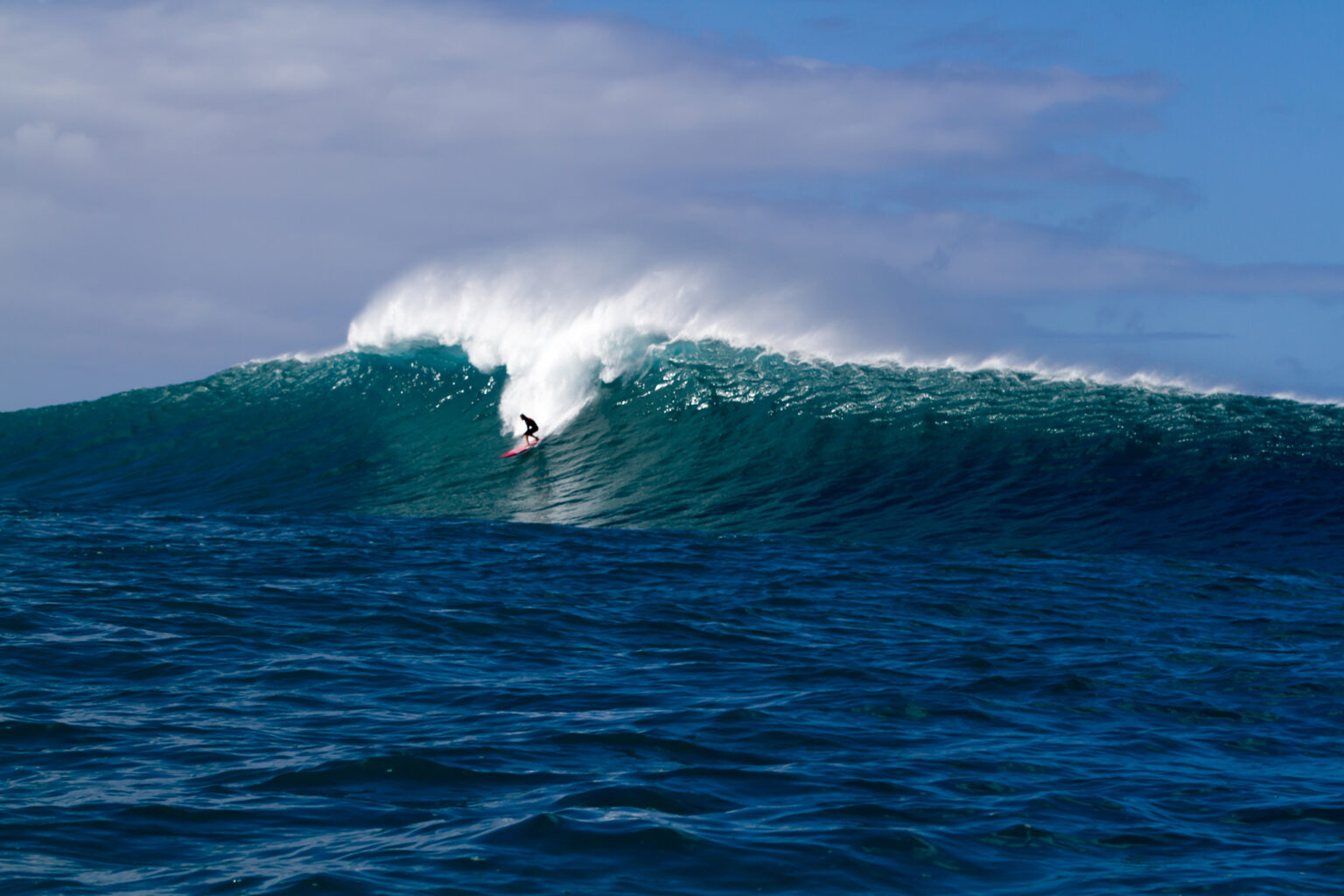
In surf photography, the interplay of light and weather plays a pivotal role in crafting the mood and visual impact of your images. Natural light, with its infinite variations, can transform the ordinary into the extraordinary, imbuing your photographs with depth and emotion. Understanding how to harness these elements allows surf photographers to elevate their work, capturing not just the action, but the very essence of the surfing experience.
Utilizing Natural Light Effectively
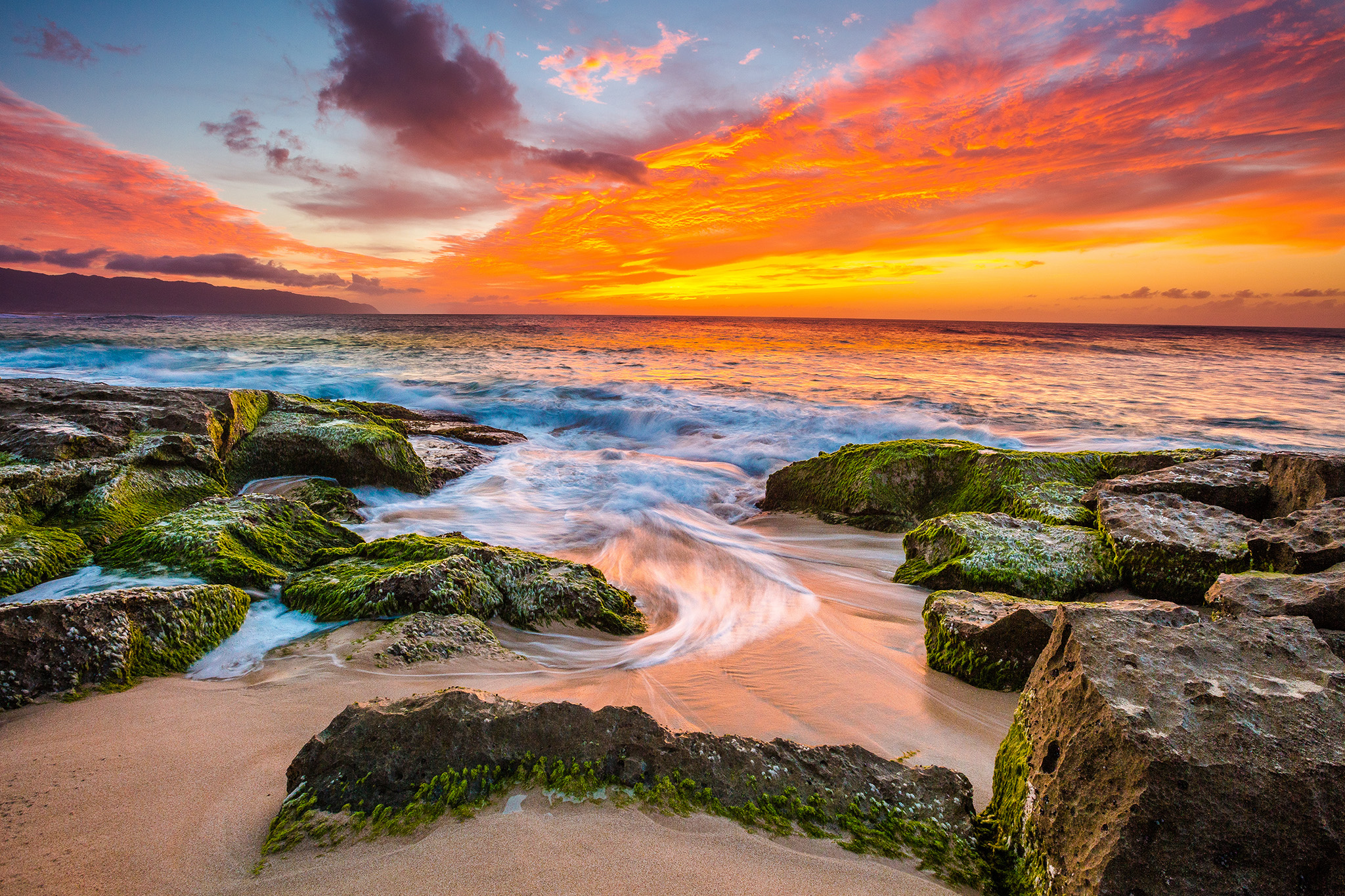
Embrace the Golden Hour: The golden hour—shortly after sunrise or before sunset—is revered by photographers for its soft, warm light. During these times, the low angle of the sun casts long shadows and highlights textures, adding dimension and drama to your images. For surf photography, the golden hour can accentuate the contours of the waves and the form of the surfer, creating a backdrop of radiant colors.
Harnessing Midday Light: While the harsh light of midday is often avoided due to its strong contrasts and flat appearance, it can be used to great effect in surf photography. The bright conditions can emphasize the vivid blues and greens of the ocean and capture the sparkle of sunlight on water. Using polarizing filters can help manage reflections and enhance the sky and sea’s color saturation.
Playing with Backlight and Silhouettes: Positioning the sun behind your subject can create striking silhouettes and accentuate the spray and shape of the waves. This technique requires careful exposure management to ensure the silhouette is sharp and the background’s details are preserved.
Adapting to Various Weather Conditions
Cloudy and Overcast Days: Overcast conditions offer diffuse, soft light that can minimize harsh shadows and highlight subtle details in the water and surfers’ expressions. This even lighting is excellent for capturing the texture of the sea and the intensity of the action without the distraction of strong contrasts.
Stormy Weather: Storms and changing weather conditions can provide some of the most dramatic and evocative lighting for surf photography. The contrast between dark skies and the illuminated ocean surface can create a powerful, moody atmosphere. Capturing surfers against this backdrop emphasizes their bravery and the raw power of nature.
Adapting to Conditions: Being flexible and creative with weather conditions can turn seemingly unfavorable shooting days into opportunities for unique images. Adjust your camera settings to suit the available light, and don’t be afraid to experiment with different approaches to capture the mood of the moment.
Safety First: Always prioritize your safety and that of others when shooting in challenging weather conditions. Be aware of the risks posed by storms, high winds, and rough seas, and make decisions accordingly.
By mastering the use of natural light and learning to adapt to the diverse weather conditions that characterize the surfing environment, photographers can capture the ocean’s majesty and the essence of surfing in all its forms. Whether bathed in the golden light of dawn, cloaked in the soft gray of overcast skies, or set against the drama of a storm, each condition offers a unique palette with which to paint your surf photography masterpiece.
Post-Processing and Editing
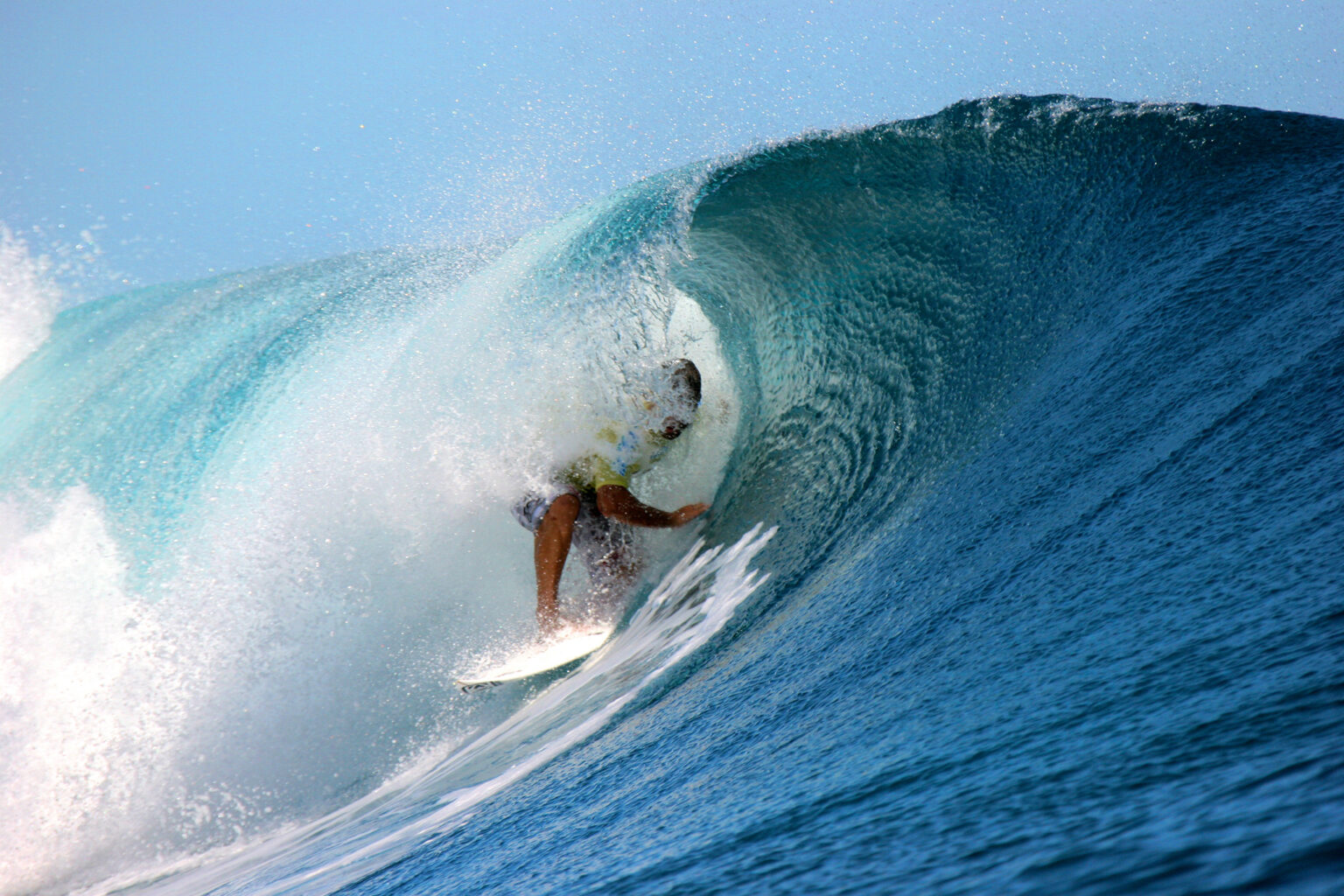
The journey of a surf photograph from capture to display is not complete without a foray into the realm of post-processing and editing. This crucial step allows photographers to refine their images, enhancing the visual impact and conveying the intended mood and story. For surf photography, with its dynamic action and diverse lighting conditions, post-processing offers the tools to fine-tune the raw beauty of the captured moments.
Introduction to Post-Processing Techniques
Post-processing techniques in surf photography can range from basic adjustments to more advanced manipulations, depending on the photographer’s vision and the needs of the image. Key areas of focus include:
Exposure and Contrast Adjustments: Fine-tuning the exposure can help balance the light in your images, ensuring that the subject is well-lit and details are visible. Adjusting the contrast can enhance the definition between the surfer and the water, highlighting the action.
Color Correction: Surf photos often benefit from color corrections to reflect the true vibrancy of the scene or to create a specific mood. Enhancing the blues and greens of the ocean or the golden hues of a sunset can dramatically affect the image’s impact.
Sharpening and Noise Reduction: Sharpening can bring out the details in the surfer and the waves, making the action more vivid. Noise reduction is useful for images shot in low light or at high ISO settings, helping to maintain the quality of the photo.
Cropping and Composition: Sometimes, the perfect composition in-camera is not always possible. Post-processing allows for cropping to improve the image’s composition, focusing the viewer’s attention on the main subject or action.
Recommendations for Software and Tools
Several software options and tools can significantly enhance surf photography post-processing, catering to various skill levels and preferences:
Adobe Lightroom: A favorite among professionals and enthusiasts alike, Lightroom offers comprehensive editing capabilities, from basic adjustments to more intricate color grading and batch processing. Its user-friendly interface makes it accessible for beginners, while its depth satisfies advanced users.
Adobe Photoshop: For those looking to dive deeper into image manipulation, Photoshop provides an extensive array of tools for detailed edits, composite images, and creative effects. It’s particularly useful for removing unwanted elements or making selective adjustments.
Capture One: Known for its superior color handling and tethering capabilities, Capture One is another professional-grade option that offers robust editing features. It’s especially popular among photographers looking for fine control over color adjustments and image quality.
Affinity Photo: As a cost-effective alternative to Adobe products, Affinity Photo offers powerful editing capabilities, including RAW processing, layer-based editing, and compatibility with Photoshop files. It’s an excellent option for photographers seeking professional features on a budget.
Mobile Editing Apps: For photographers on the go or those who prefer to edit on mobile devices, apps like Snapseed and VSCO provide a range of editing tools that can quickly enhance surf photos for social media or personal use.
Embracing post-processing as an integral part of surf photography allows photographers to express their artistic vision fully and share images that capture the thrill and beauty of surfing. Whether making subtle adjustments to bring a photo to life or employing creative edits to convey a mood, the possibilities in post-processing are as vast as the ocean itself.

Building a Portfolio and Sharing Your Work
Creating a surf photography portfolio is a crucial step in sharing your unique vision of the surfing world with a broader audience. A well-crafted portfolio not only showcases your best work but also tells a story about your connection with the ocean and the surfing community. Sharing your work, whether through social media, surf magazines, or exhibitions, allows you to engage with others who share your passion and can open doors to new opportunities and collaborations.
Tips for Building a Compelling Surf Photography Portfolio
Curate Selectively: Choose images that not only display technical skill but also convey emotion, action, and the beauty of the surf environment. A tightly curated selection is more impactful than a large collection of good but similar images.
Showcase Diversity: Include a variety of shots to demonstrate your versatility as a photographer. Mix action shots with candid moments of surf culture, dramatic wave close-ups, serene sunrise or sunset sessions, and any other imagery that highlights your range.
Tell a Story: Arrange your portfolio in a way that tells a story or conveys a theme. This narrative approach can engage viewers more deeply, inviting them into the world you’ve captured through your lens.
Regular Updates: Keep your portfolio fresh by periodically adding new work and removing older or less compelling images. This demonstrates your growth as a photographer and keeps your audience engaged.
Advice on Sharing Your Work
Social Media: Platforms like Instagram, Facebook, Twitter, (and yes, SurfersConnect.net) are powerful tools for sharing your surf photography with a global audience. Use hashtags relevant to surf photography and the locations you shoot to increase visibility. Engage with your followers and the wider surf photography community by commenting, sharing, and participating in discussions.
Surf Magazines and Websites: Submitting your work to surf magazines and online platforms can provide significant exposure. Research submission guidelines and tailor your submissions to fit the style and content focus of each publication. Personalized pitches highlighting the story behind your images can increase your chances of being featured.
Exhibitions and Galleries: Displaying your work in exhibitions, whether in local galleries, surf shops, or community centers, can offer a tangible connection with your audience. Consider collaborating with other surf photographers or artists for group shows to reach a wider audience.
Networking: Building relationships with surfers, surf brands, and other photographers can lead to opportunities for collaboration, publication, and commissioned work. Attend surf-related events, workshops, and photo walks to meet potential contacts and share your passion for surf photography.
Online Portfolio: Creating an online portfolio website is an essential step for professional surf photographers. A well-designed website offers a centralized place for potential clients or collaborators to view your work, learn about your services, and contact you.
Sharing your surf photography is about more than gaining recognition; it’s about contributing to the culture and community of surfing. By building a compelling portfolio and strategically sharing your work, you not only showcase your talent but also deepen your connection with the surf world. Whether capturing the perfect barrel, the stoke of a surfer, or the serene beauty of the surf environment, your images play a part in the ongoing story of surfing.

Ethical Considerations and Respect
In surf photography, capturing the majesty of the ocean and the thrill of the ride is entwined with a responsibility to conduct oneself ethically. This extends beyond the technical aspects of photography, touching on the importance of respecting surfers, local cultures, and the environment. Ethical considerations also play a crucial role in how images are shared and published, ensuring that the stories told through surf photography honor the subjects and the broader surfing community.
Respecting Surfers and Local Cultures
Seek Permission: When possible, obtain permission from surfers before shooting, especially in close-up or personal situations. This respect for personal boundaries fosters trust and mutual respect between photographers and surfers.
Be Mindful of Cultural Sensitivities: Surf spots are often located in areas with deep cultural ties and traditions. Educate yourself about local customs and show respect to these communities. This includes adhering to local guidelines for beach and ocean use, and being discreet and respectful when photographing local surfers or surf-related cultural practices.
Give Back: Whenever possible, give back to the communities that host surf spots. This can be through sharing your photographs with the local surfers featured, supporting local businesses, or participating in environmental and community service efforts.
Ethical Considerations in Publishing and Sharing Images
Respect Privacy: Be cautious when sharing images that feature identifiable individuals, especially in sensitive or private moments. Consider the potential impact on the subjects and, if in doubt, seek their consent before publishing.
Avoid Exploitation: Ensure that your work does not exploit the subjects or the environment for personal gain. This includes being mindful of how images are used and shared, particularly those depicting local communities or culturally significant practices.
Accuracy and Integrity: Maintain the integrity of your images by avoiding manipulations that alter the truth of the moment or misrepresent the subject. While post-processing is a part of photography, it should enhance rather than deceive.
Environmental Stewardship: Photographers have a unique opportunity to highlight environmental issues affecting the oceans and beaches. Use your platform responsibly to raise awareness about conservation efforts, the impact of pollution, and the importance of protecting marine habitats.
Credit and Compensation: When your work involves others’ contributions (e.g., models, guides, local knowledge), ensure they are properly credited or compensated. This ethical practice acknowledges their role and supports fair collaboration.
Adhering to these ethical considerations reinforces surf photography’s role as a respectful and positive force within the surfing world. By conducting oneself with integrity, photographers can capture the spirit of surfing in a way that honors and uplifts everyone involved. In essence, ethical surf photography is about more than capturing beautiful images; it’s about contributing to the sport’s culture in a manner that is mindful, respectful, and ultimately enriches the global surfing community.
Learning from the Masters
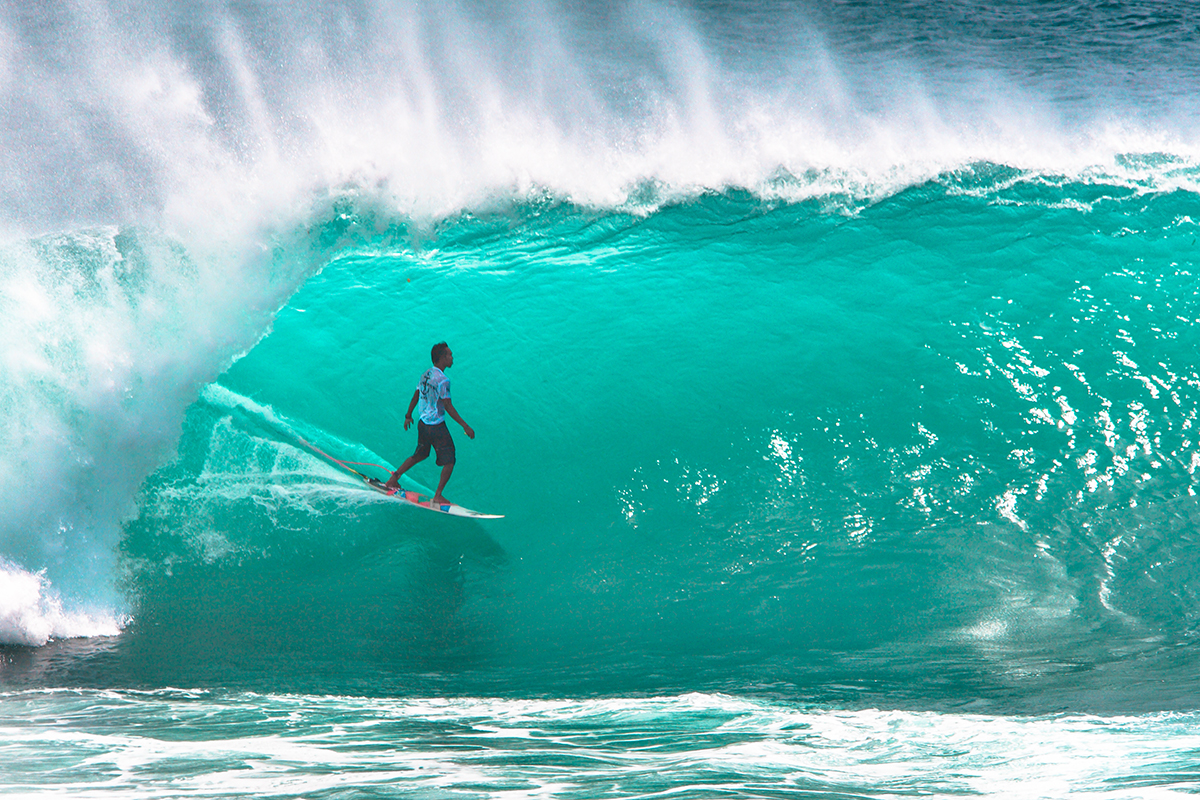
The path to mastery in surf photography is paved with lessons from those who have already left an indelible mark on the genre. Iconic surf photographers have not only captured the sport’s thrilling moments and the ocean’s breathtaking beauty but have also pushed the boundaries of what surf photography can be. By studying their work and career paths, aspiring photographers can gain valuable insights into technique, creativity, and the essence of capturing surfing’s soul.
Iconic Surf Photographers and Their Contributions
Leroy Grannis: Often hailed as the “Godfather of Surf Photography,” Grannis’ work in the 1960s and 70s captured the golden age of surfing, documenting the surf culture of California and Hawaii with a keen eye for emotion and detail. His images offer a window into the camaraderie and spirit of early surfing communities.
Aaron Chang: Renowned for his breathtaking seascapes and action shots, Chang has spent decades exploring the relationship between surfer and sea, often focusing on the interplay of light and water. His work is a testament to the power of patience and the pursuit of the perfect moment.
Chris Burkard: With a focus on remote, cold-water surfing, Burkard’s photography brings to light the adventurous spirit of surfing, showcasing surfers against dramatic landscapes. His work emphasizes the importance of storytelling and the pursuit of unique perspectives.
Sarah Lee: Known for her underwater and surf photography, Lee’s work captures the serene and ethereal moments of surfing, often from a perspective within the wave. Her images are a reminder of the intimate connection between the surfer and the ocean.
Recommendations for Inspiration and Education
To dive deeper into the world of surf photography and draw inspiration from the masters, consider exploring the following resources:
Books:
– LeRoy Grannis: Surf Photography of the 1960s and 1970s offers a comprehensive look at Grannis’ influential work.
– The California Surf Project by Chris Burkard and Eric Soderquist combines stunning photography with a narrative journey along California’s coast.
– Water & Light: Coastal Photographs by Ray Collins showcases the mesmerizing interplay of water and light, emphasizing the ocean’s sculptural qualities.
Documentaries:
– High Tide in Dorchester features the work of Chris Burkard, providing insight into his approach and philosophy.
– The Salt of the Earth, while not exclusively about surf photography, offers profound insights into capturing nature’s beauty and the human element within it, relevant for any photographer looking to convey deeper narratives.
Online Resources:
– Instagram and other social media platforms are invaluable for following the work of contemporary surf photographers, offering daily inspiration and insight into their techniques and travels.
– Photography blogs and websites, such as The Inertia or Surfline, regularly feature interviews, galleries, and articles on surf photography, providing tips, trends, and community connections.
Learning from the masters of surf photography involves more than just admiring their work; it’s about understanding the passion, dedication, and creativity that drive their pursuit of the perfect shot. By studying their approaches and absorbing the essence of their work, aspiring surf photographers can refine their own vision, technique, and connection to the surfing world, continuing the legacy of capturing the ocean’s majesty for future generations to witness and appreciate.
Conclusion
Embarking on the journey of surf photography is to embark on a journey of endless discovery, where the majesty of the ocean meets the human spirit in a dynamic dance of action and beauty. Throughout this article, we’ve traversed the essentials of surf photography, from the foundational equipment and understanding the unique challenges of the surfing environment, to mastering composition, timing, and the subtle interplay of light and weather. Each segment has been designed to equip you with the knowledge and inspiration to capture the essence of surf culture and the breathtaking moments that define this exhilarating sport.
We’ve delved into the importance of ethical considerations, emphasizing respect for surfers, local cultures, and the environment, ensuring that our pursuit of the perfect shot contributes positively to the world we’re capturing. Learning from the masters of surf photography has offered us a glimpse into the possibilities that await when passion, creativity, and dedication converge in the pursuit of visual storytelling.
As you stand at the precipice of your surf photography adventure, remember that the path is as much about the images you capture as it is about the journey itself. It’s a path marked by early mornings, chasing the golden light, countless hours of patience, and the relentless pursuit of that one perfect moment. But beyond the technicalities and the challenges lies a deeply rewarding experience, one that connects you to the heart of surfing and the raw beauty of nature.
Let the waves be your guide and the surfers your muses as you dive into the world of surf photography with passion and respect for the art form. Embrace the lessons, both the triumphs and the challenges, and allow them to shape your vision and your voice as a photographer. The ocean’s majesty and the surfers’ tales await your lens, ready to be captured and shared with the world.
So grab your camera, respect the lineup, and embark on this captivating journey. The world of surf photography is vast and varied, and it beckons with the promise of adventure, beauty, and the chance to capture the soul of surfing. Whether you find yourself on remote shores or familiar breaks, remember that every wave tells a story, and every moment holds the potential to be immortalized through your eyes. Dive in, shoot with passion, and become part of the enduring legacy of surf photography.
Call to Action
As we close this chapter on mastering the art of surf photography, we turn the page to you, the aspiring surf photographers, who stand ready to capture the ocean’s ever-changing canvas. Your journey is just beginning, and a world of breathtaking waves, fearless surfers, and golden shores awaits your lens. But the story doesn’t end here; it evolves with every sunrise surf session, every shutter click, and every wave that’s ridden.
We invite you to dive into this vibrant community, not just as observers but as active participants. Share your surf photography adventures, the lessons learned in the field, and the images that make your heart race. Engage with us through your Profile page or the Activity Wall, on social media platforms using #SurfPhotographyJourney, or at local surf photography gatherings. Your experiences and insights are invaluable. They serve not only to inspire others but also to foster a community where knowledge, passion, and respect for the art form and the ocean thrive.
So, grab your camera, embrace the early mornings and the salty spray, and set forth to explore and document the majestic world of surfing. Challenge yourself to see beyond the waves, to capture not just the action, but the stories, the emotions, and the unspoken connection between surfer and sea. Your perspective is unique, and your stories are waiting to be told.
Let the ocean’s rhythm guide your creativity, and may your surf photography journey be filled with light, inspiration, and unforgettable moments. The world is eager to see the beauty you’ll capture through your lens. Share your journey, inspire the community, and continue the legacy of surf photography that connects us all to the wonders of the ocean. Let’s make waves together.